Explore the Belvedere Gardens: an extraordinary Baroque experience in the cultural heart of Vienna!
A place with an eternal charm, where history and culture come together in perfect harmony. Walking through its streets feels like diving into an elegant scene, amidst sumptuous palaces, historic cafés, and squares that narrate years of beauty and art. However, Vienna is primarily the City of Music. From the luxury of the Habsburg court to contemporary music, Austria’s capital has seen the birth and hosting of some of the most famous figures in history: Mozart, Beethoven, Schubert, Strauss, and Haydn. These giants of music worked in Vienna, leaving an indelible mark that resonates to this day in concert halls, streets, and avenues. Here’s what you can visit.
The Belvedere Gardens represent one of the most enchanting attractions in Vienna, an authentic jewel of Baroque art and a magical place that combines the beauty of the landscape with history and culture in perfect balance. Designed in 1717 by the renowned French landscape architect Dominique Girard, a disciple of André Le Nôtre (the creator of the gardens of Versailles), these gardens were initially conceived as a complement to the sumptuous residence of Prince Eugene of Savoy: the Upper Belvedere and the Lower Belvedere. They are now part of the UNESCO World Heritage Site and attract thousands of tourists from around the world every year.
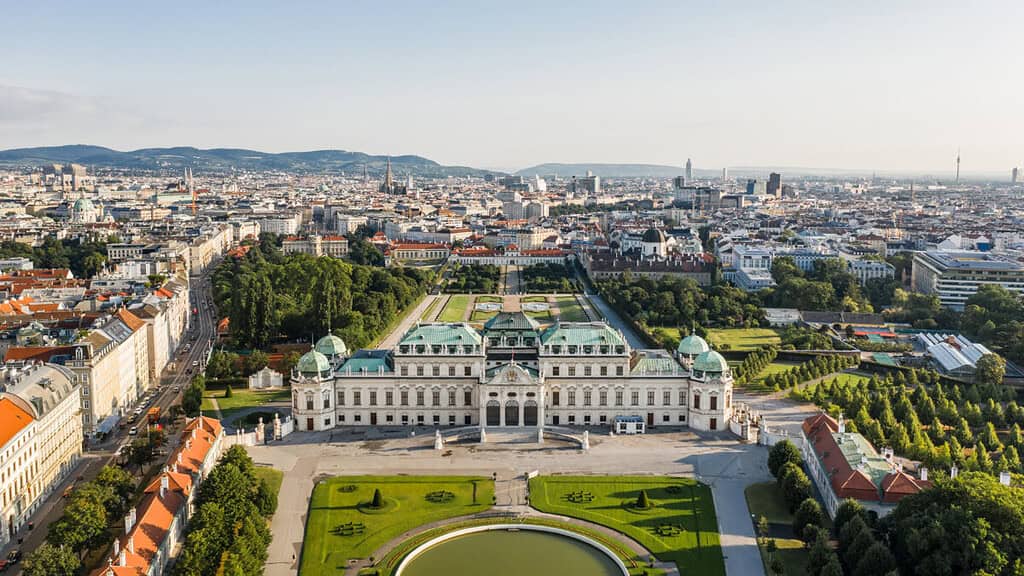
The centerpiece is the Baroque garden that harmoniously connects the two palaces. Organized on three levels, it presents a perfect perspective axis and a symmetrical structure that guides the visitor’s gaze from the lower palace to the top of the hill, where the Upper Belvedere is located. Each terrace is connected by elegant staircases, adorned with allegorical statues and monumental fountains, emphasizing the sense of grandeur and majesty of the design. The flowerbeds feature precise geometric designs, with perfectly trimmed hedges and seasonal flowers that create spectacular color contrasts.
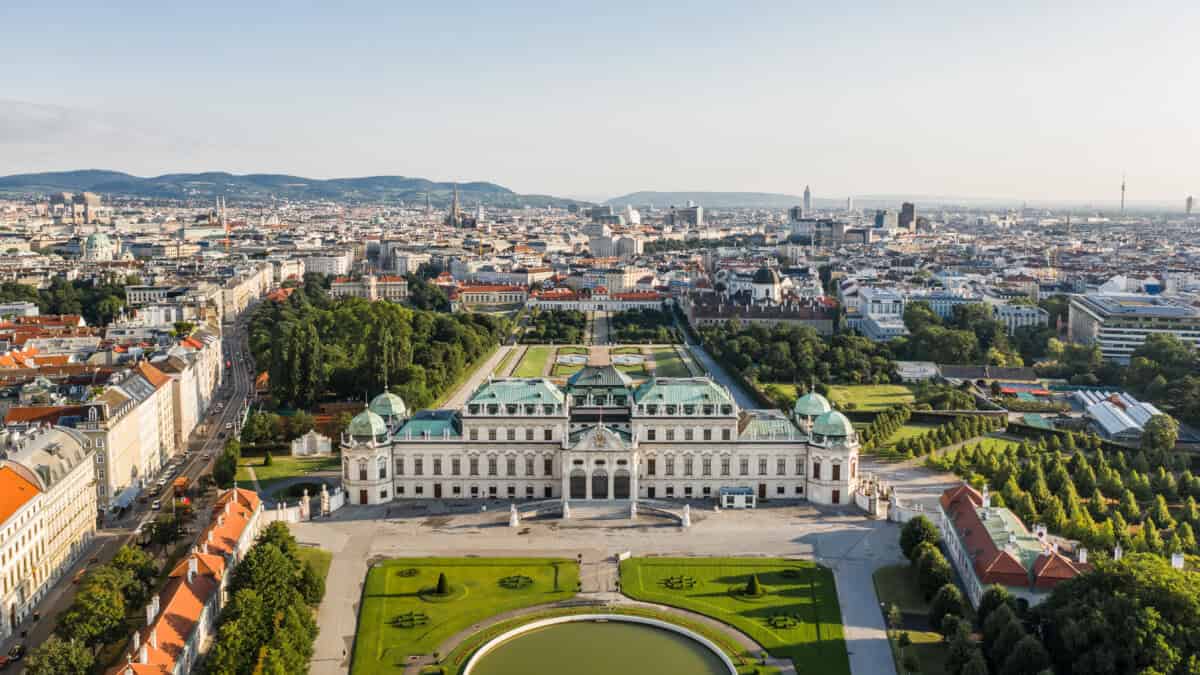
One particularly striking element is the ornamental pond located in front of the façade of the Upper Belvedere. The body of water reflects the image of the palace, creating one of the most iconic photographic spots in all of Vienna. Taking a stroll along the tree-lined avenues of the gardens, especially during sunset, offers moments of peace and pure wonder, reminiscent of the refined elegance of the imperial court of Austria.
Next to the main garden, the Kammergarten represents a hidden gem. It is the prince’s private garden, a more intimate and secluded area that is currently open to the public only with a ticket to the Lower Belvedere. It also hosts truly exclusive cultural events, including “Cinema in the Kammergarten,” an outdoor film festival that takes place every summer. Compared to the main garden, this space is less frequented and is suitable for those seeking a quiet corner immersed in history.
The Alpine Garden is another section of particular interest, considered the oldest garden of its kind in Europe. It was founded in 1754 at the behest of Empress Maria Theresa and houses over 4,000 plant species from various mountainous regions, not only from the Alps but from other mountains worldwide. The garden serves as an important botanical and scientific center and is open to the public during the growing season, typically from April to October.
The gardens are free to access and open every day, with hours varying by season. In summer, they are open until 9 PM, while in winter they close around 7 PM. They can be easily reached by public transport and are well connected to the historical center of Vienna.
The Belvedere Gardens are not just a picturesque backdrop for the magnificent Baroque residences; they are also a work of living art, where nature and architecture embrace to offer a unique visual and sensory experience. Whether you are an art lover, a history enthusiast, a botany aficionado, or simply in search of a peaceful place to walk, they are a must-see destination if you choose to visit Vienna.
Dive into contemporary creativity: Discover the vibrant world of Belvedere 21 in Vienna!
Vienna is the kind of city that welcomes every type of traveler, thanks to a wide range of accommodation options. From luxurious hotels to modern, comfortable homes, Vienna is ideal for a romantic getaway, a cultural immersion, or a special family trip. There is a solution for every need. It is essential to choose the neighborhood to maximize your stay experience. Some may wish to be close to the major attractions, while those who want to relax might opt for quieter areas. Economic convenience is also crucial: there are useful alternatives for those seeking exclusive comfort as well as for those who love to travel on a budget. Vienna is a destination that allows you to find exactly what you want, which is what makes it unique.
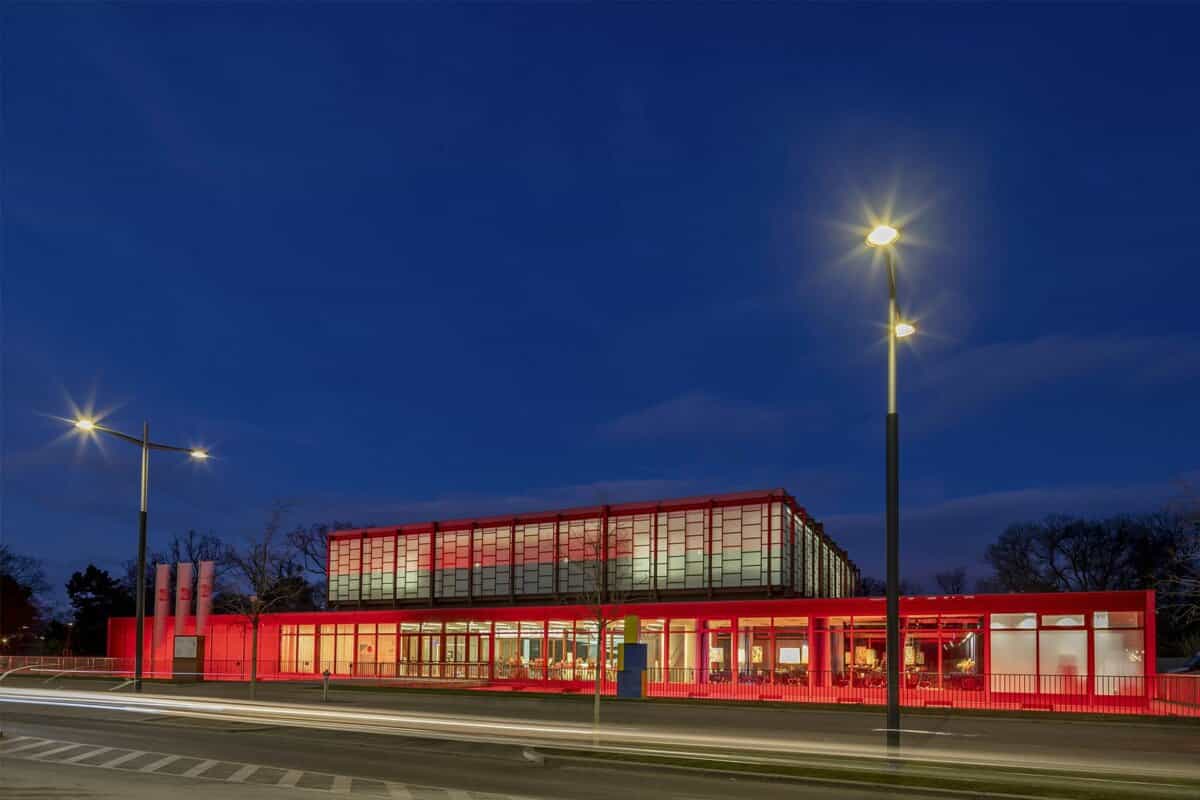
Belvedere 21 is a contemporary art museum in the heart of Vienna, located at Arsenalstraße 1 in District 3. An integral part of the Belvedere, one of the city’s main museum complexes, Belvedere 21 stands out for its modern architecture and dynamic approach to contemporary art.
History and Architecture
The design of Belvedere 21 was conceived by Austrian architect Karl Schwanzer as the national pavilion for the 1958 Brussels World’s Fair. Characterized by its steel and glass structure, the pavilion received the Grand Prix d’Architecture for its innovative design.
Subsequently, the building was relocated to Vienna and adapted into a museum, opening in 1962 as the Museum of the 20th Century. In 2011, after being renovated by architect Adolf Krischanitz, it reopened as 21er Haus. It then assumed its current name, Belvedere 21, in 2018, with the intention of being positioned as a vibrant center for contemporary art.
Exhibitions and Programming
The museum offers an overview of Austrian art from the past 70 years, also presenting works by international artists. The exhibitions span various disciplines, including visual art, performance, cinema, and music. In addition to temporary exhibitions, Belvedere 21 hosts cultural events such as film screenings, readings, concerts, and lectures. The 21er Room is dedicated to exhibitions by contemporary Austrian artists, while the Blickle Cinema, the only well-preserved Viennese cinema dating from the 1950s, offers a diverse film program.
Services and Accessibility
The museum is easily accessible by public transport, including the U1 subway (Hauptbahnhof station), trams D, 18, and O (Quartier Belvedere station), and bus 69A (Arsenal stop). Nearby, there is also a bicycle parking area and an electric car charging station. The main entrance is barrier-free, equipped with elevators and accessible restrooms. Visitors can enjoy a relaxing break at the Lucy Bar, located inside the museum, which offers a cozy environment for enjoying drinks and snacks.
Opening Hours and Tickets
Belvedere 21 is open from Tuesday to Sunday from 11 AM to 6 PM, with extended evening hours on Thursdays until 9 PM. Entry is free for children and young people under 19 years old. Adults can purchase a reduced admission ticket with the Vienna City Card. Belvedere 21 is a landmark for contemporary art enthusiasts, offering a rich and diverse cultural experience in a context of significant historical and artistic value.
Scoprite lo splendore di Vienna: Scoprite i tesori artistici del Belvedere Inferiore!
A place with an eternal charm, where history and culture come together in perfect harmony. Walking through its streets feels like diving into an elegant scene, amidst sumptuous palaces, historic cafés, and squares that narrate years of beauty and art. However, Vienna is primarily the City of Music. From the luxury of the Habsburg court to contemporary music, Austria’s capital has been home to and hosted some of the most famous figures in history: Mozart, Beethoven, Schubert, Strauss, and Haydn. These giants of music worked in Vienna, leaving an indelible mark that continues to resonate in concert halls, on the streets, and throughout the city. Here’s what you can visit.
The Lower Belvedere (Unteres Belvedere) is one of the architectural and artistic gems of Vienna. Its construction took place between 1714 and 1716, designed by the architect Johann Lucas von Hildebrandt. It was commissioned by Prince Eugene of Savoy to serve as a private residence. Located in the Landstraße district, this wonderful Baroque palace offers a unique experience, blending architectural elegance, extraordinary artworks, and a fascinating history.
Architecture and Historic Rooms
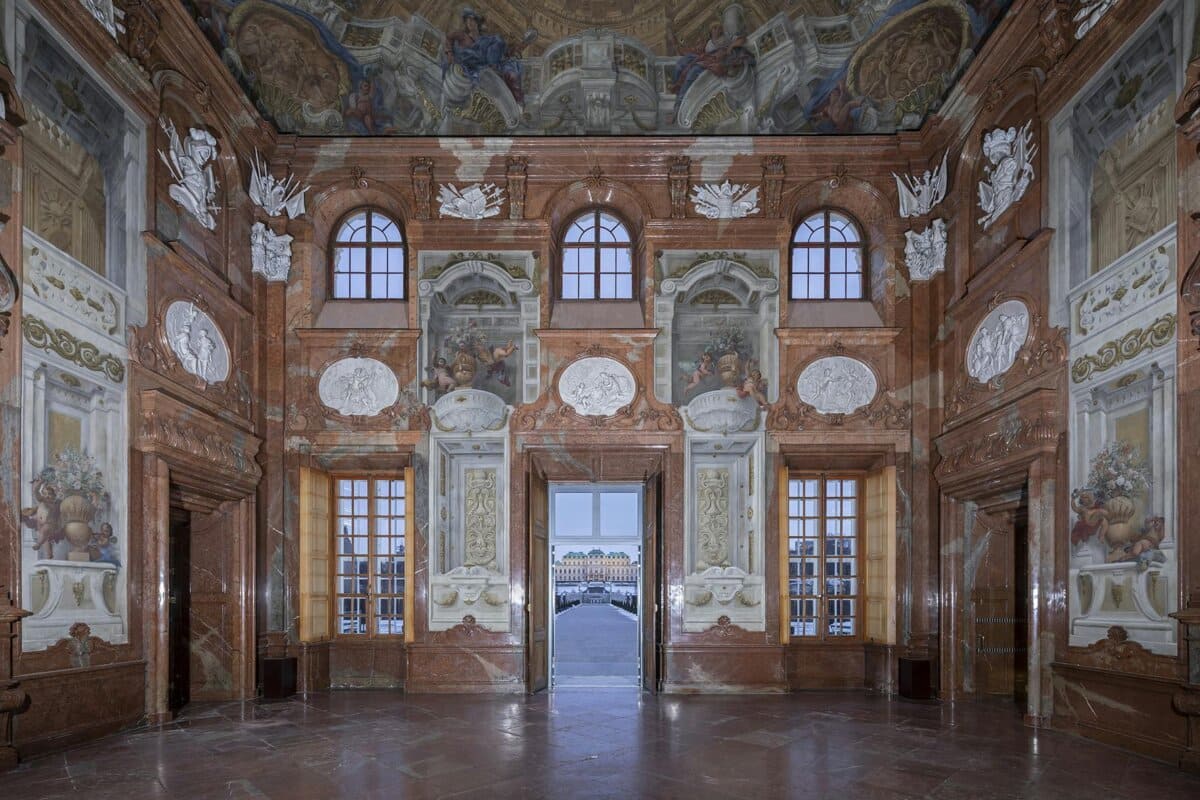
The Lower Belvedere is distinguished by its symmetrical façade and elegant lines, typical of Baroque style. Inside, it features sumptuous rooms, including the Marble Gallery, the Hall of Grotesques, and the Golden Cabinet. The Marble Gallery houses monumental statues and war trophies, celebrating Prince Eugene’s military victories. The Hall of Grotesques is adorned with frescoes representing the four seasons and the natural elements. The Golden Cabinet, richly decorated, reflects the refined taste of the era.
Exhibitions and Collections
Currently, the Belvedere hosts a series of temporary exhibitions that range from medieval to contemporary art. Among the most recent exhibitions are “Gustav Klimt – Pigment & Pixel,” which explores the painting techniques of the famous Austrian artist, and “The World in Colors,” dedicated to 19th-century Slovenian painting. Additionally, the medieval collection offers a deep dive into the art and culture of the Middle Ages.
The History of the Palace
After the death of Prince Eugene of Savoy, the Lower Belvedere underwent several transformations. In the 19th century, the Orangerie was converted into stables, while later, in the 20th century, the building housed various cultural institutions. Today, the palace is part of the Belvedere complex, along with the Upper Belvedere and Belvedere 21, forming an important cultural hub in Vienna.
Gardens and Surroundings
The Lower Belvedere is surrounded by beautiful Baroque gardens designed by Dominique Girard, a pupil of André Le Nôtre, who created the gardens of Versailles. The gardens are terraced and feature fountains, geometrically shaped flowerbeds, and sculptures, offering a panoramic view of the city and creating a harmonious connection between the Lower and Upper Belvedere.
Visiting and Access
The Lower Belvedere is easily accessible by public transport. The nearest subway station is U1 Hauptbahnhof, a 15-minute walk away. Several tram lines, including O, 18, and D, stop nearby. The entrance to the palace is located at Rennweg 6, 1030 Vienna.
Hours and Tickets
The Lower Belvedere is open daily from 10:00 AM to 6:00 PM. Admission prices vary based on age and status, with reduced rates for students, seniors, and holders of the Vienna City Card. Entry is free for children and young people under 19 years old.
Visiting the Lower Belvedere offers a unique opportunity to immerse yourself in the history, art, culture, and Baroque architecture of Vienna. Elegant rooms, wonderful artistic works, and magnificent gardens make it an essential stop for anyone wishing to discover Vienna’s cultural richness.
Dive into the golden world of Gustav Klimt: an artistic journey not to be missed at the Upper Belvedere!
Vienna is the kind of city that welcomes every type of traveler, thanks to a wide range of accommodation options. From luxurious hotels to modern, comfortable homes, Vienna is ideal for a romantic getaway, a cultural immersion, or a special family trip. There is a solution for every need. It is essential to choose the neighborhood to maximize your stay experience. Some may wish to be close to the major attractions, while others who prefer relaxation might opt for quieter areas. Economic convenience is also crucial: there are helpful alternatives for those seeking exclusive comfort as well as for those who love to travel on a budget. Vienna is a destination that allows you to find exactly what you want, which is what makes it unique.
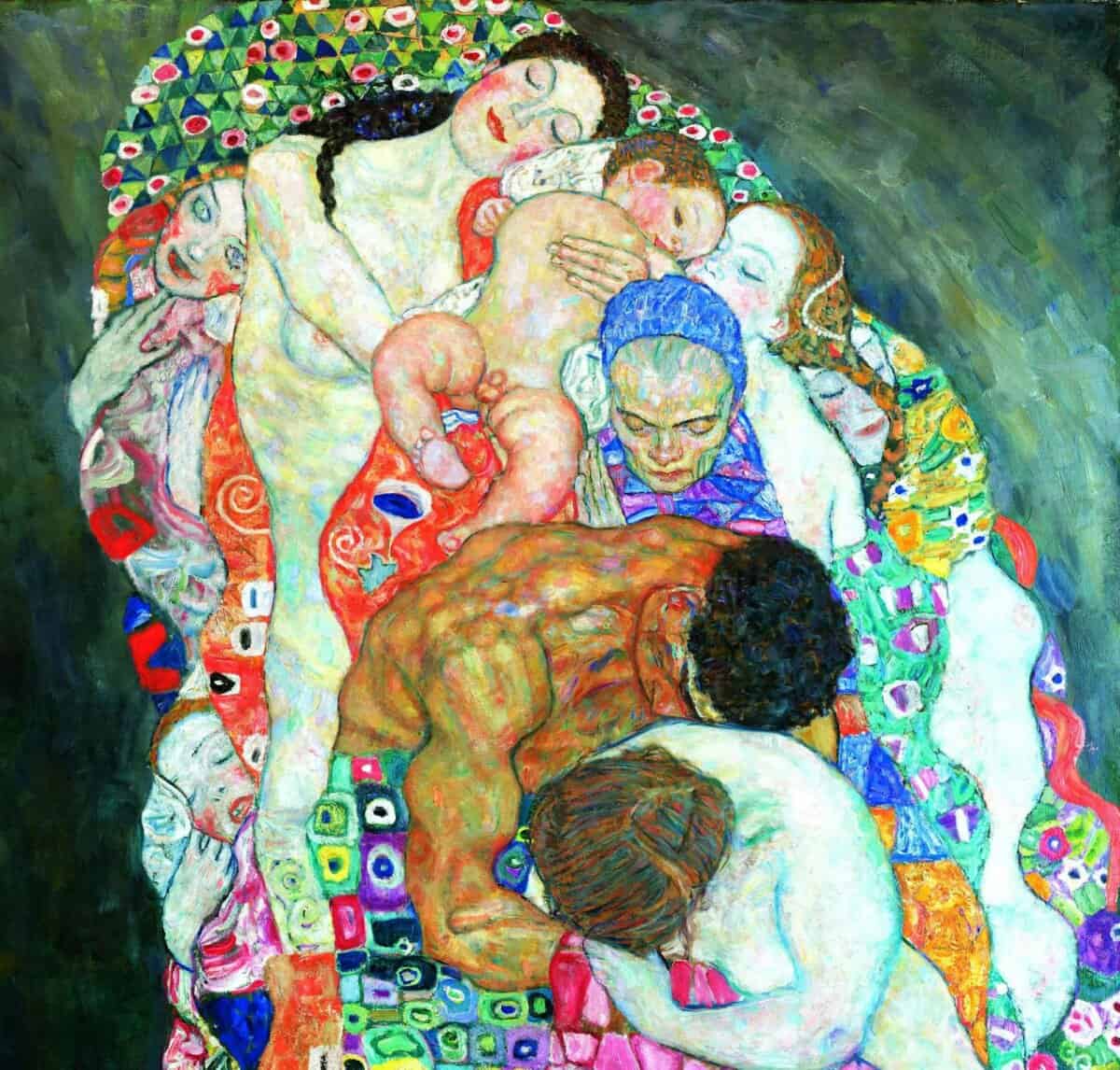
The Gustav Klimt Collection is one of the most fascinating and unmissable cultural attractions for lovers of modern art. Located primarily in the Upper Belvedere in Vienna, Austria, this collection represents the largest core of Klimt’s works in existence worldwide. Visiting this collection means immersing yourself in the golden, sensual, and visionary world of the great master of Austrian symbolism.
The Artist and the Context
Gustav Klimt (1862–1918) was one of the most important figures of the Vienna Secession, an artistic movement that sought to break away from academic tradition to explore new forms of expression. His style is renowned for its decorative use of gold, elegant compositions, and erotic and allegorical themes. The collection not only showcases his most famous works but also tells the cultural and social context of Vienna at the fin de siècle.
Masterpieces Not to Miss
The heart of the collection is represented by iconic masterpieces such as The Kiss (Der Kuss), one of the most celebrated works in art history. Displayed in a specially designed room at the Upper Belvedere, this canvas is the ultimate symbol of romantic love and the fusion of art and decoration. The golden background, geometric patterns, and intimacy of the scene make it a must-see for every visitor.
Another focal point is Judith I, a bold and provocative work that blends sensuality and violence, interpreting the biblical figure with a modern gaze. Its subtle expressions and golden background make it one of the most captivating female portraits of the period.
Beyond the Masterpieces: Drawings, Studies, and Lesser-Known Works
The collection also offers a rich selection of preparatory drawings, sketches, and studies that provide insight into Klimt’s creative process. These materials showcase his meticulous attention to detail, experimentation with line, and the human figure, particularly the female body. Among the lesser-known but equally significant works are the bourgeois portraits, which testify to Klimt’s success in aristocratic and intellectual Vienna. Visitors can also admire landscapes created in an almost abstract style, where the artist reveals a lesser-known yet extremely refined side.
A Multisensory Experience
A visit to the Gustav Klimt Collection is not just visual but immersive. Some museums and temporary exhibitions use digital installations, augmented reality, and music to bring the Klimt universe to life. This contemporary approach engages the audience with the artist’s work in an innovative and captivating way.
Why Visit the Collection
Those who visit the Gustav Klimt Collection encounter an artistic language that revolutionized European art at the beginning of the 20th century. It’s a unique opportunity to see closely works that have influenced generations of artists and continue to evoke strong emotions through their beauty, symbolic depth, and aesthetic power.
Discover Vienna: A timeless journey through art, music and Baroque splendour!
A place with an eternal charm, where history and culture come together in perfect harmony. Walking through its streets feels like diving into an elegant scene, amidst sumptuous palaces, historic cafés, and squares that tell stories of years filled with beauty and art. However, Vienna is primarily the City of Music. From the luxury of the Habsburg court to contemporary music, Austria’s capital has been home to and birthed some of the most famous figures in history: Mozart, Beethoven, Schubert, Strauss, and Haydn. These giants of music worked in Vienna, leaving an indelible mark that can still be felt today in concert halls, on the streets, and throughout the city. Here’s what you can visit.
The Upper Belvedere (Oberes Belvedere) is one of Vienna’s major tourist attractions and one of the most important examples of Austrian Baroque architecture. Located in the southeastern part of the city, within the Belvedere Palace complex, the palace offers a perfect combination of history, art, and scenic beauty. It was commissioned in the eighteenth century by Prince Eugene of Savoy as a summer residence and designed by the architect Johann Lucas von Hildebrandt.
It should be noted that the Belvedere consists of two main palaces: the Lower Belvedere (Unteres Belvedere) and the Upper Belvedere, connected by a magnificent French-style garden characterized by fountains, sculptures, perfectly manicured hedges, and water features. The Upper Belvedere, completed in 1723, is the most opulent building, standing atop an artificial hill and providing a stunning panoramic view of Vienna.
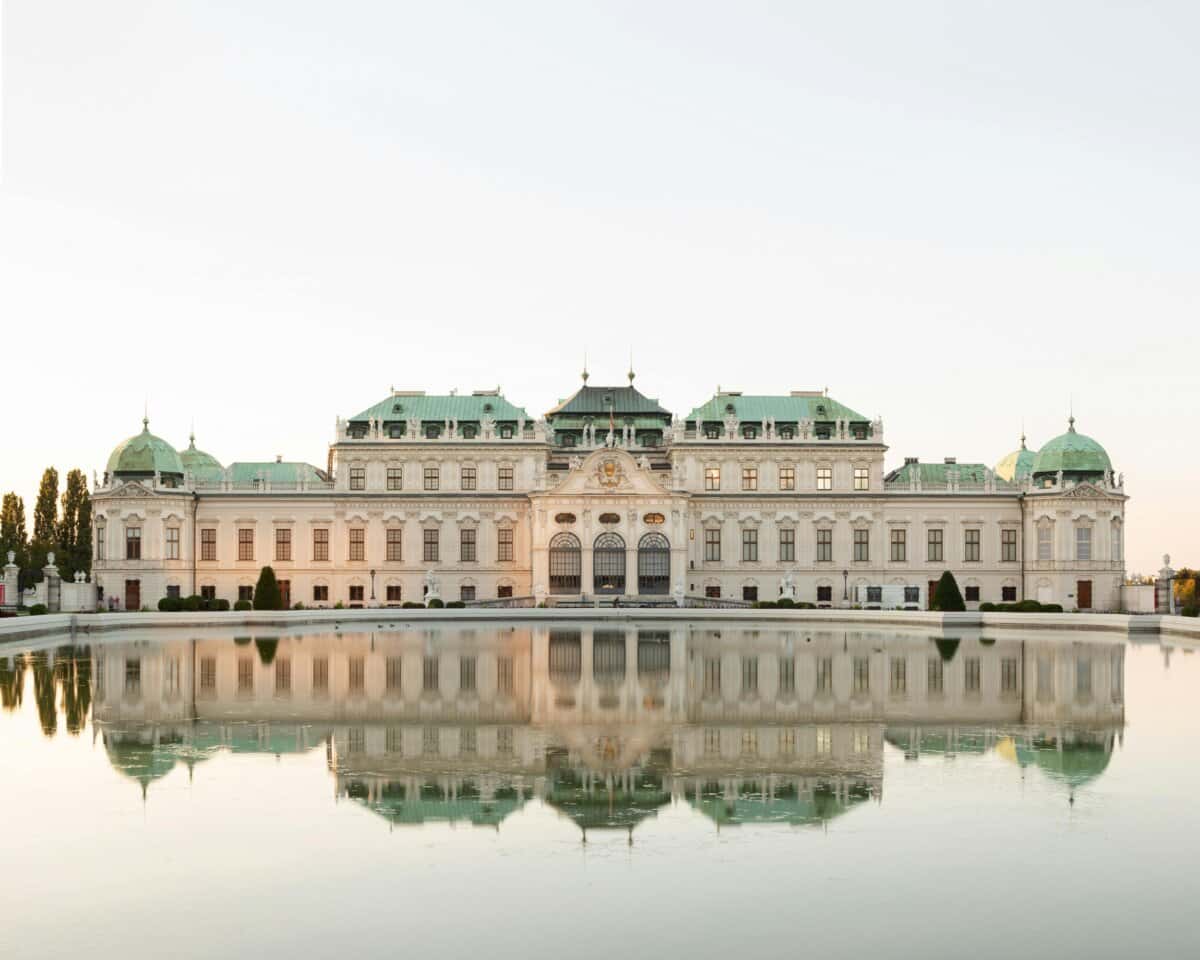
Architecturally, the palace is a Baroque masterpiece with a decorated façade, grand staircases, frescoed ceilings, and lavish interior rooms. The majestic Marble Hall, adorned with Corinthian columns, gilded stuccoes, and allegorical frescoes, is one of the most captivating spaces. Equally remarkable are the Carlone Hall, featuring an imposing ceiling fresco depicting the Apotheosis of Prince Eugene, and the palace chapel, where original eighteenth-century decorations can still be admired.
Today, the Upper Belvedere houses one of Austria’s most significant art collections, part of the Belvedere Museum, which includes works from the medieval era to the twentieth century. The most famous piece in the collection is undoubtedly “The Kiss” by Gustav Klimt, an icon of the Vienna Secession movement and one of the most recognized paintings in the world. In addition to Klimt, the museum also features works by Egon Schiele, Oskar Kokoschka, Ferdinand Georg Waldmüller, and artists from the Baroque and Biedermeier periods.
The palace is also an active cultural center, hosting temporary exhibitions, events, and concerts. Its location, artistic wealth, and historical significance make it a must-visit destination for anyone traveling to Vienna. The gardens, which are free to visit, provide an ideal setting for relaxing walks, spectacular photographs, and moments of tranquility.
The Upper Belvedere represents a complete experience: art, architecture, history, and nature blend harmoniously. By visiting, you have the opportunity not only to admire masterpieces of European art but also to immerse yourself in the splendor of an era when Vienna was one of the world’s most important cultural centers. What are you waiting for? Hurry and visit it!
 EN
EN  DE
DE  ES
ES  FR
FR  IT
IT  PT
PT  PL
PL